
 ASC
 Roots
 Agniputhra
 Bengaluru Unit
 South United
 Bengaluru
 Bangalore Drea
 Real Bengaluru
 Stride Sports
 R.T Boys
 Kickstart Kar
 GOG FCC
 Zinc Football
 Technico Footb
 MEG & Centre
 Samaleswari
 Dempo Sports C
 Bangalore City
 Sporting Club
 Kodagu
 CBSC
 NEUFC
Fan analysis
ISL Fantasy: More Than Just a Game-Why It Needs to Return
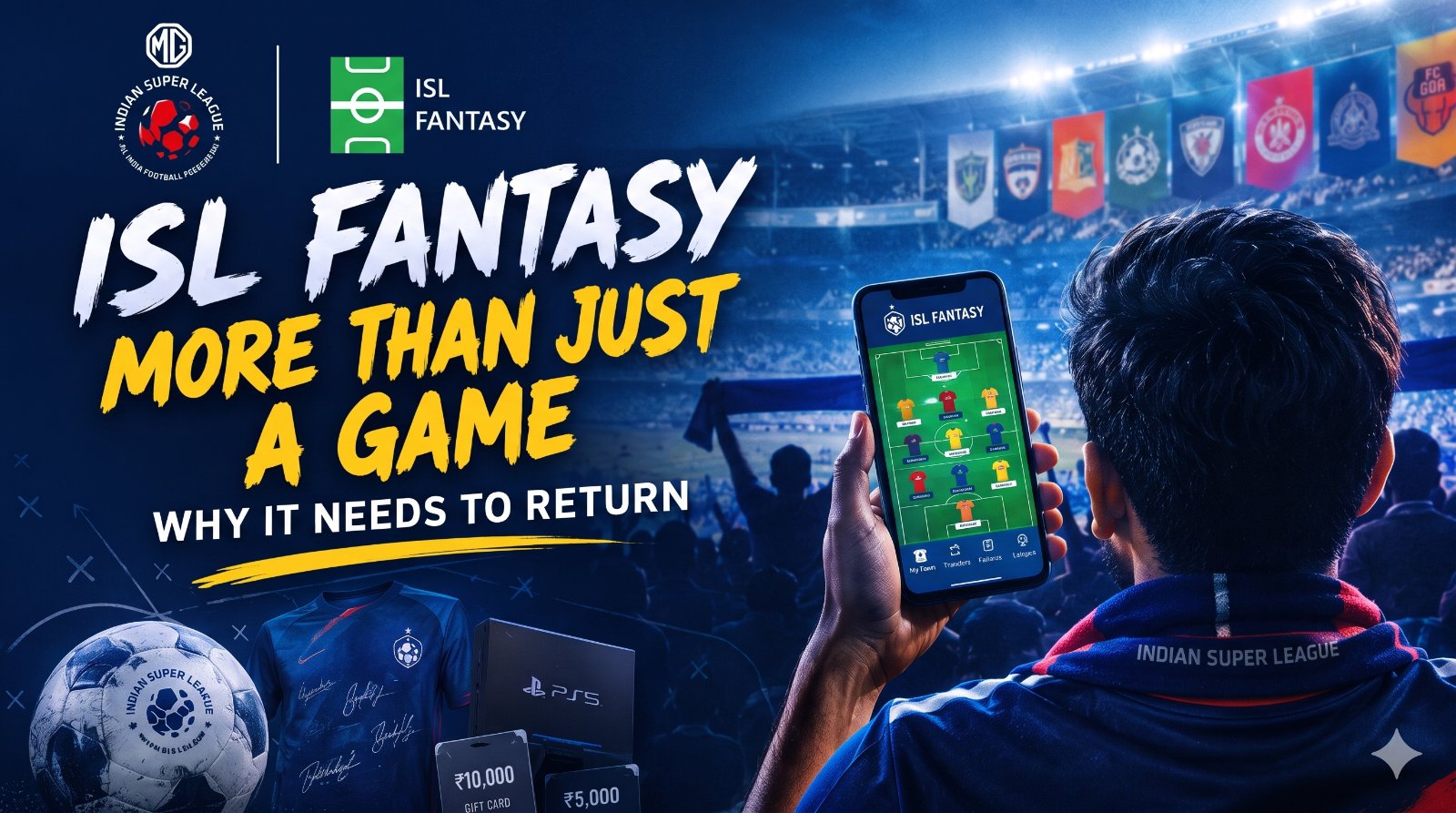
Football doesn’t end with the final whistle. Fans debate lineups, dissect stats and tune into matches between clubs they don't even support. Fantasy football supercharges this connection, giving fans an active stake in every matchweek. The 2026–27 Indian Super League season kicked off without its official fantasy game. While it might seem like a niche gaming app, fantasy football is a proven growth engine for league viewership, digital engagement, and commercial value.
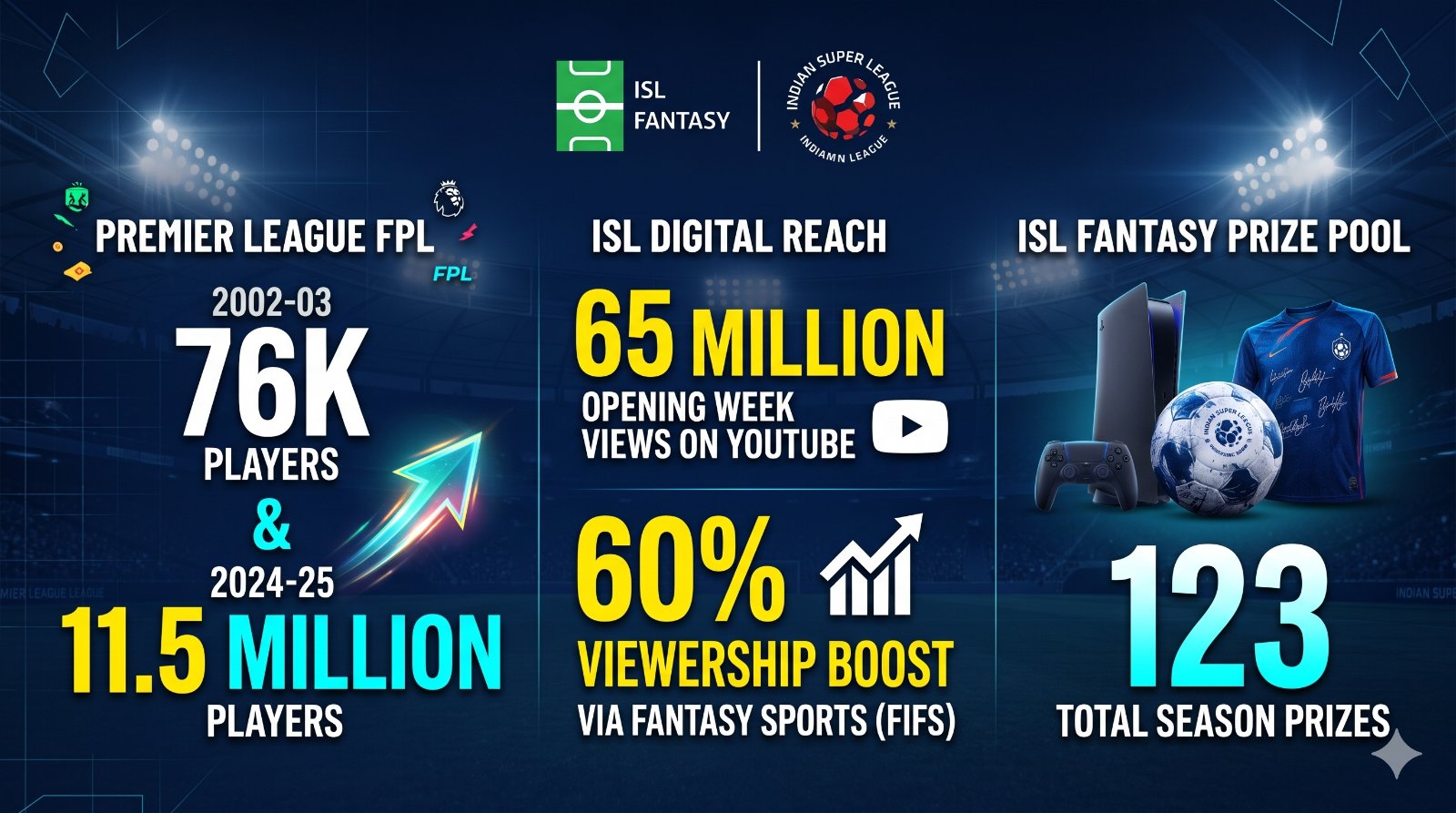
1. The FPL Model: Cultivating the Neutral Fan The Premier League's Fantasy Premier League (FPL) provides the ultimate playbook. It turned passive neutrals into active multi-club consumers: Cross-Club Investment: A Manchester United supporter watches a Mancity match for Haaland or an Arsenal fan tracks Brighton's defensive line for clean sheet points. Every Fixture Matters: A mid-table clash suddenly carries high stakes for anyone holding a captain or differential pick. For the ISL—where driving consistent interest across all clubs is a strategic priority—fantasy football is the fastest bridge to building dedicated, neutral viewership.
2. Turning Clicks into Retention The link between fantasy sports and match viewership isn't theoretical: Academic research in the Journal of Media Economics confirms that fantasy sports directly increase live television viewership. An industry study by FIFS revealed that 60% of fantasy users watch more live sports after taking part. ISL opened this season with over 65 million YouTube views in its opening week, showcasing the immense potential of free digital streaming. But attracting opening-day clicks is easy; keeping fans invested across a multi-month campaign is hard. Combining free broadcasts with fantasy incentives creates an ecosystem where supporters have a reason to tune into games beyond their hometown side.
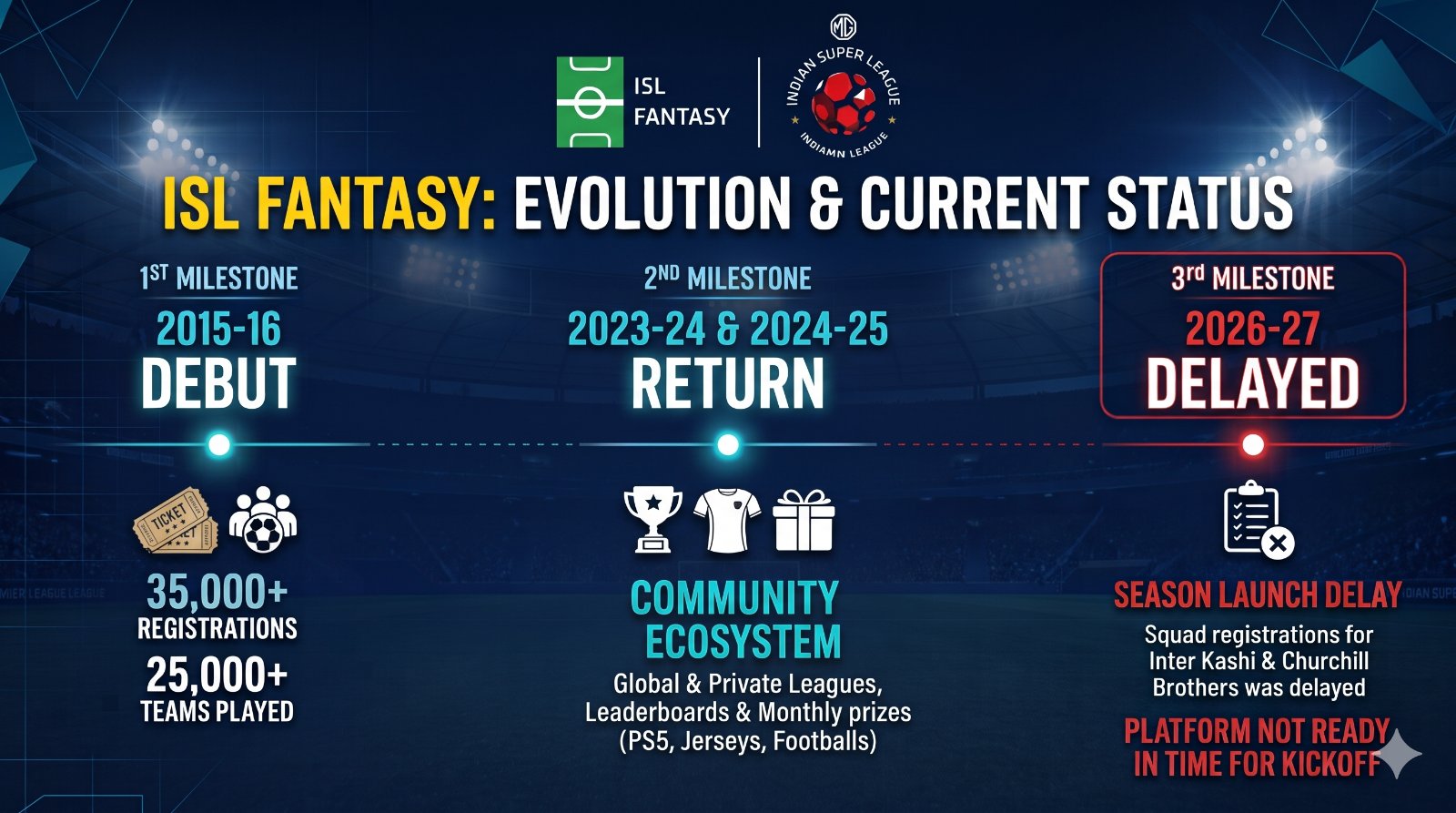
3. A Stalled Engine That Already Works Unlike leagues building from ground zero, the ISL already has an established, battle-tested fantasy structure: Proven Foundation: From its 2015–16 launch to its revamped 2023–25 editions, the league perfected club leaderboards, private leagues, and high-value prizes (signed shirts, electronics, and cash gift cards). The 2026–27 Setback: A planned return this season reportedly stalled because squad registrations for Inter Kashi and Churchill Brothers were delayed until the final week before kickoff, leaving vendors without the necessary player data to build the platform. While last-minute logistical hurdles happen, treating fantasy as an afterthought rather than a core broadcast companion is a missed opportunity. Advance planning and inter-club coordination are essential to safeguard high-impact fan assets.
Beyond the 90 Minutes Fantasy football sustains the conversation all week long. It drives organic debates across X, Instagram, and fan communities: Which emerging Indian midfielder is a value buy? Who is the best differential captain for Matchweek 4? It also provides the league with high-value digital inventory for title sponsors and weekly leaderboard partners. A match lasts 90 minutes; fantasy football keeps fans engaged all seven days. The ISL doesn't need to invent anything new—it has the audience, the format, and the platform history. It just needs commitment and continuity. It's time to bring ISL Fantasy back.
Photos remain the property of their owner.
Send your own breakdown. Photos welcome.Submit your piece